
L+D Expedition
Estimated Reading Time: 15 minutes
The L+D Expedition launched this fall with 18 independent schools embarking on a six-month professional learning journey grounded in design thinking. Each team selected a meaningful challenge in their school community and is using human-centered design to make real progress. The primarily goal for the program was to be about learning and building capacity. Every team involved brought to the challenge in sight and energy to drive real school change, and we have been so proud of the collective effort of all teams.
The L+D Expedition has entered the final stage of this year's program. Participating teams submitted artifacts documenting their design journey and lessons learned. The artifacts were reviewed and scored by an amazing group of past L+D Fellows (we are so grateful for their generosity), with the top five scoring teams becoming Finalists and eligible to compete for $15,000 at our Pitch Competition and Reception at Mithun on February 26 in Seattle, WA. Regardless of being moved into the final stage, we want to thank every school and design team for all the hard work you put into this effort and the investment you made in human-centered design.
If this program sounds like an exciting journey, register early for the next L+D Expedition.
Introducing the L+D Expedition Finalists
We want to take the time to introduce you to our finalist teams. Each school provided summary information about their project along with visuals. If you are interested in learning more about any of the projects, let us know and we can connect you.
The Branson School - Ross, California
How might we reimagine Branson's current summer internship program - BranSumX - to broaden the impact for both our students and our professional community of alums and parents?
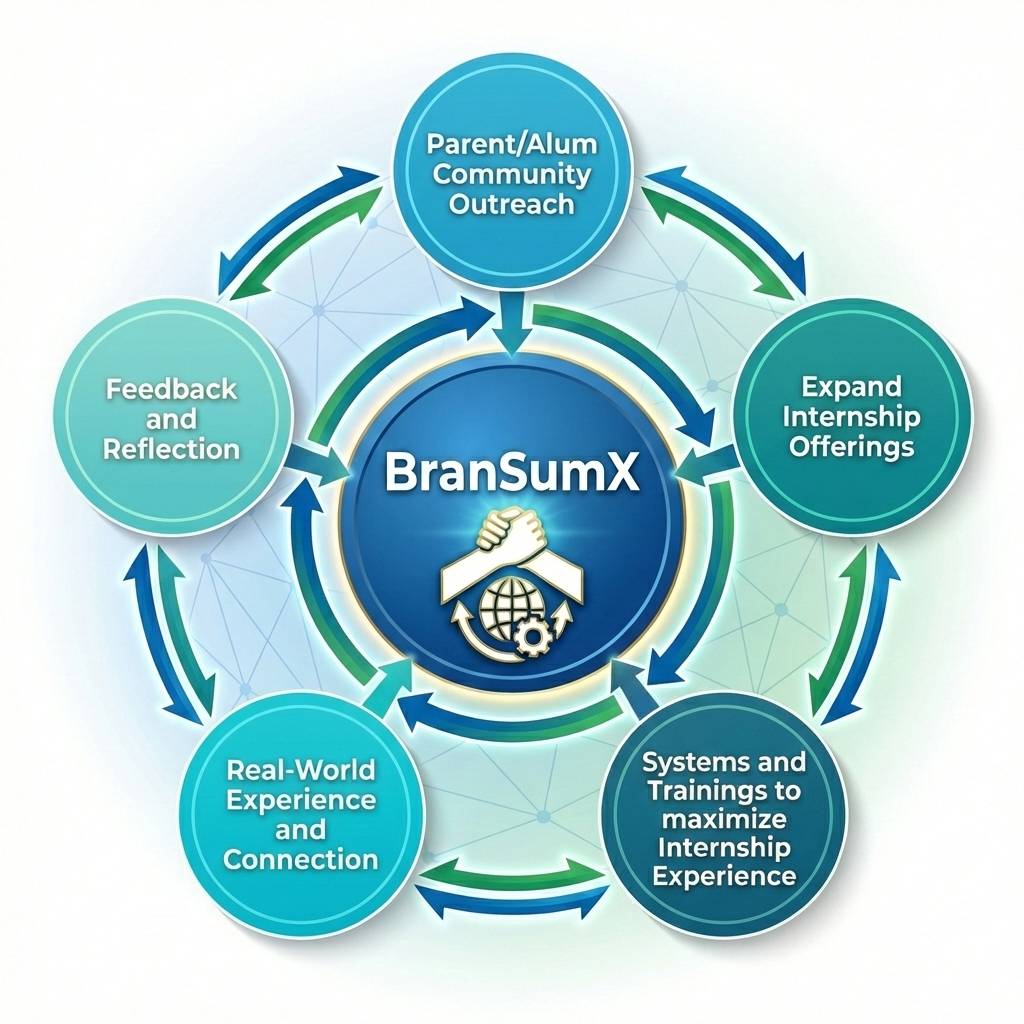
A Key Insight: We learned that the internships were especially and surprisingly impactful for students that were able to secure one, but the system for applying was not streamlined or accessible enough to maximize student engagement. Further, there were not as many adults in sufficiently diverse fields involved to make the program as robust as we would like.
Prototype and Testing:
What would it look like if Branson’s new/emerging World Ready Center was to assume ownership of “BranSumX”?
Can we work to create a system where an internship is part of our graduation requirements?
Testing included utilizing the student-designed InternLynk App as well as the empathy interviews with various stakeholders (Director of Development & Alumni; Admissions; current and past student participants and parents)
A Big Learning: The potential reach and impact of this program goes far beyond the individual student participants. We have the potential for this to be a key tool of community building, including meaningful work for current parents, the reintroduction of 10-15 yr alums, and furthering deep relationships with a select group of community partner organizations!
Holton-Arms School - Washington D.C.
In the age of AI, how might we cultivate learning that is worth the struggle?
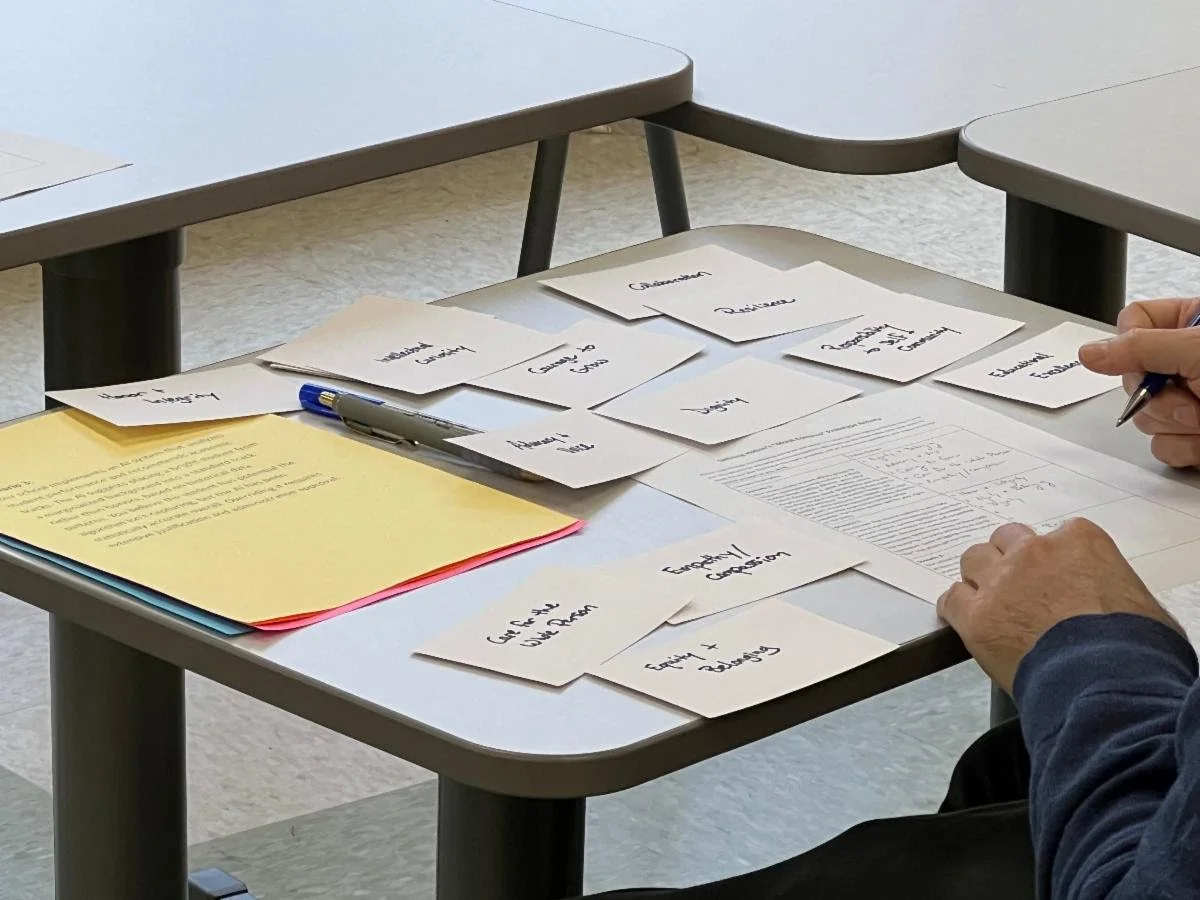
A Key Insight: From our empathy interviews with faculty, we heard a foundational need that eclipsed the desire for familiarity with the latest AI tools: not integration, but instead a reimagining of teaching and learning in the age of AI. Even as “ambient AI” promises to smooth out the friction of daily life, as educators, we don't want a frictionless education. There is a profound, essential joy in intellectual grappling, and we want to ensure that while AI might augment human capacities, the process of thinking deeply remains distinctly human. We discovered that redefining rigor requires a failure-safe environment that validates the productive struggle as the ultimate proof of work and authentic human thinking.
Prototype and Testing: We built the ExL(Experience Learning) Framework, a new paradigm for future-ready education centered on three prototyped spokes: the Ethical Compass (values to support effective and ethical engagement with people and ideas), the Sentry Bot (a transdisciplinary matchmaking bot), and the Meta-Think Checklist (a metacognitive reflection tool for students).
We tested these interconnected components with Middle and Upper School students and faculty to move forward with a unified system that protects human agency by ensuring learning remains a values-based, human-centered, thinking-made-visible process of iteration.
A Big Learning: The design thinking process—and the search for the right question, before the presumption of a proposed solution—can feel disorienting at times, and we came to realize that this is not a bug but instead a feature of the process. Beyond a set of deliverables, our design team’s real work was the act of working through this disorientation together. Innovation is, in the words of one team member, “gloriously messy,” and the collaborative friction itself is what yielded powerful insights for our team. In many ways, it was a microcosm of our central design question about “learning that is worth the struggle.” We had to be willing wanderers through a process that was, in itself, worth the struggle.
In the end, we shifted from being reactive to new technology to being proactive about human values. When we are reactive to technology, we ask: How do we make this tool work in our school? This usually leads to making things easier, faster, more efficient, and, in a sense, frictionless. When we are proactive about human values, we ask: What human traits are we unwilling to lose?
The Meadowbrook School of Weston, MA
How might we design a student-centered full day junior kindergarten program that is filled with joy and learning?
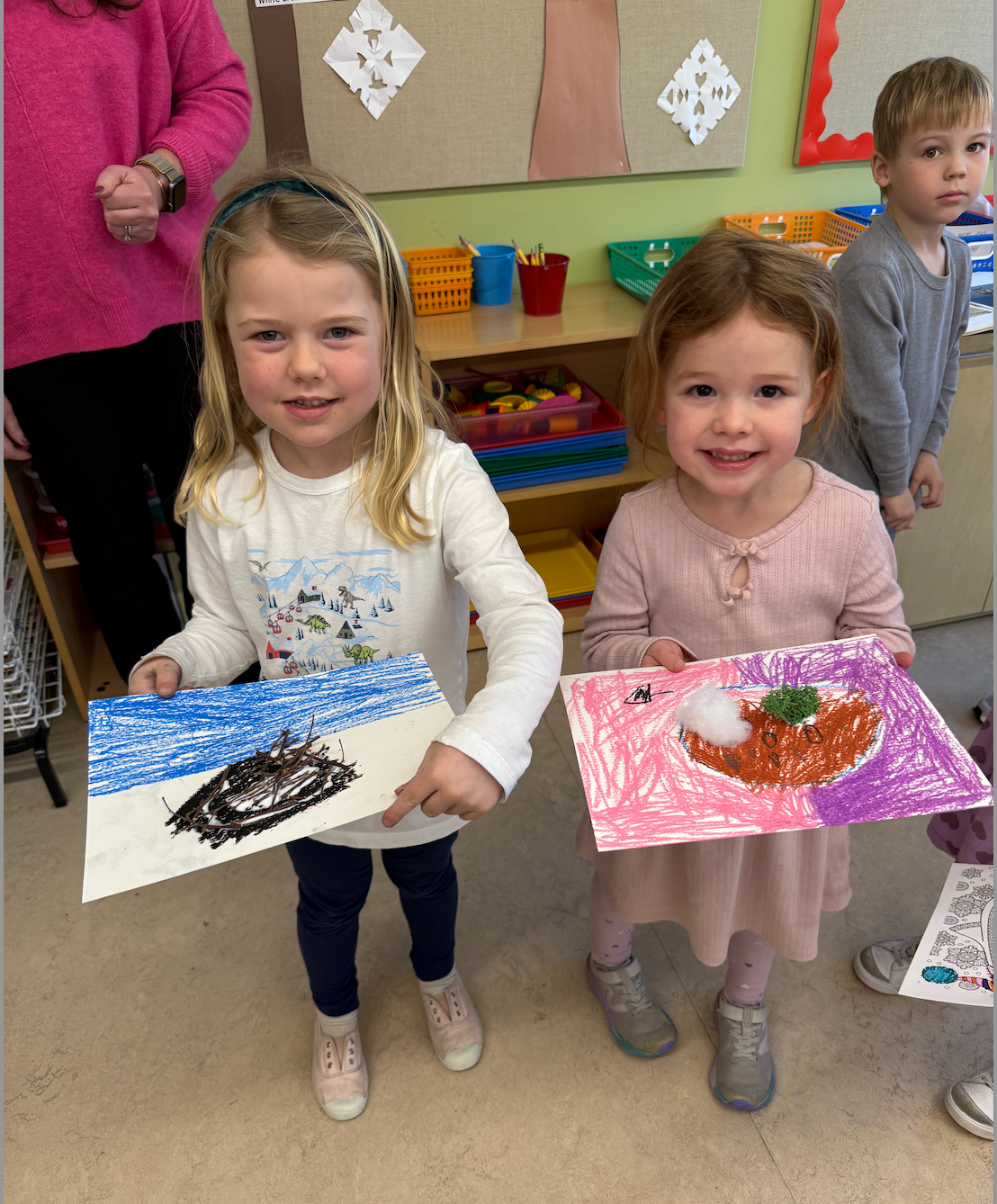
Key Empathy Insight: A key finding was that instead of adding more programming, we should focus on creating more time to fully engage with and thrive within the existing program. This approach also emphasizes teacher flexibility, allowing teachers to better meet students’ needs.
Prototype and Testing: We tested two schedule prototypes through a focus group, a smoke test, and a live afternoon pilot with students. Next, we will combine the most effective elements of each prototype and continue testing with a full-day pilot.
A Big Learning: We began with the belief that learning brings students joy, and through the process, we repeatedly returned to joy as the driver and foundation of effective learning.
Oregon Episcopal School - Portland, Oregon
How might we empower students to develop and apply skills that help them practice turning community-impact ideas into action, through real-world, personally meaningful experiences that are visible, cohesive, and celebrated across our community?
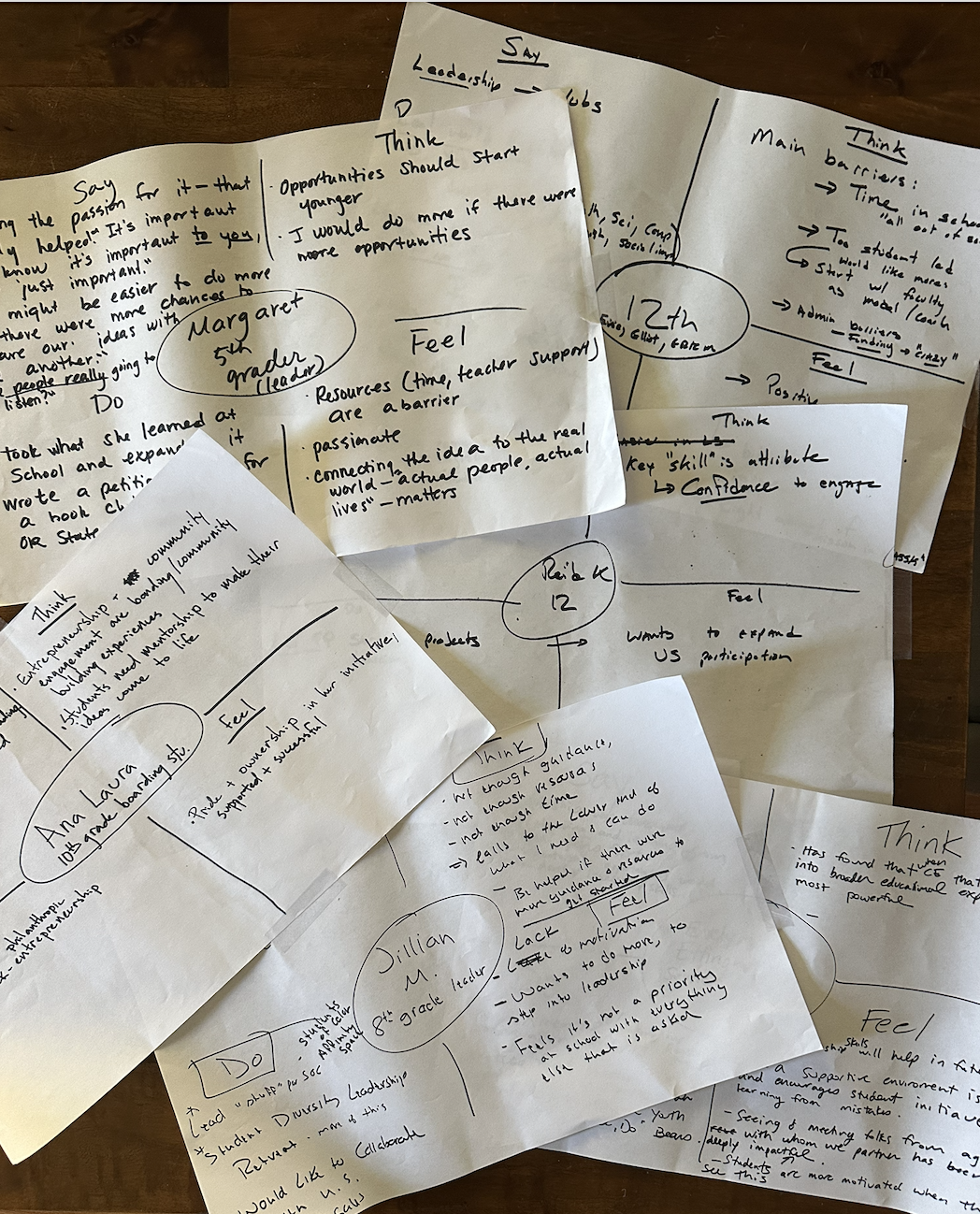
Key Insight: We learned that there was a real desire for clarity around how the school builds the skills of engaged leaders. School community members wanted to point to a clear pathway and clear program elements that guide students to develop then celebrate these skills.
Prototype and Testing: We prototyped and tested an "Engaged Leader Certificate of Achievement," a menu of required and optional coursework that explicitly guides studentsto grow engaged leadership skills through their Upper School careers. We tested mock registration documents with three key constituencies--dorm students, students currently enrolled in Community Engagement Activity, and alumni--to understand which elements they were most excited about as learners, what explicit skill-building we were still missing, and what barriers exist to adoption.
A Big Learning: We are most excited to share how we are combining two key learnings--the enthusiasm around building explicit skills, and the realities of current course load--to pursue credit crossover and additional creative solutions within our pathway.
Thaden School - Bentonville, Arkansas
How might we build strong collaboration and support through acts that foster knowing and belonging in our school community?
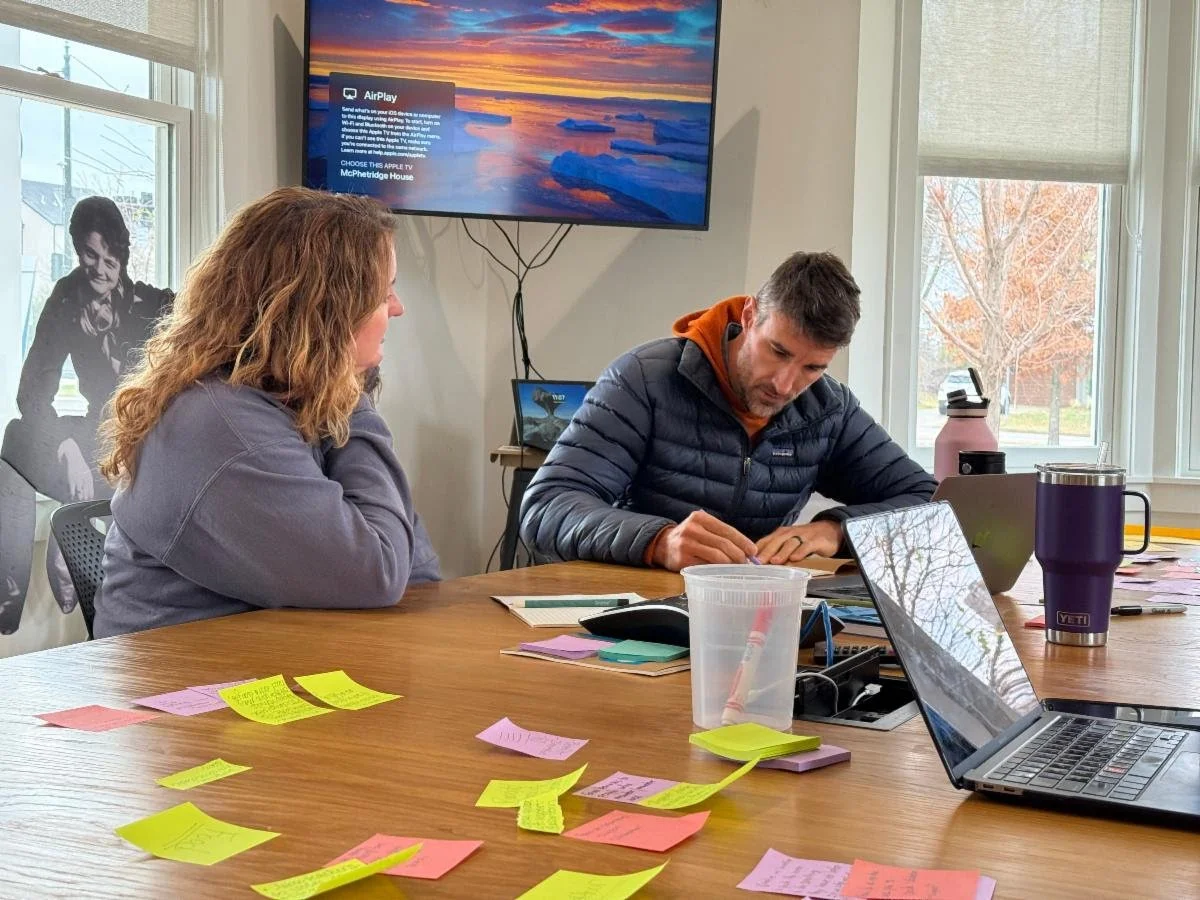
A Key Insight: Sitting together for unhurried mealtimes is important to our community. A grab and go lunch would deteriorate our community.
We're a small team, having this space in the dining hall where we see everyone and talk with everyone is nice. Like to be able to talk with people in our departments." -Grounds staff member
Prototype and Testing: We tested six prototypes with our benefits and retention committee and the Lower School Staff. We decided that was too many! We will focus on three moving forward: Small faculty/staff groups that will have several interactions over the course of a school year, a school tour for faculty that is focused on how we can collaborate, and frequent opportunities for community members to teacher each other about their interests or talents.
A Big Learning: We all want our school community members to feel a deep sense of belonging. Before focusing on belonging we need to make sure adults in our committee have the opportunity to know others and be known by others.
Thank you again to the sponsors for this year's inagural L+D Expedition.
