Designing for Discomfort
Estimated Reading Time: 5-7 min
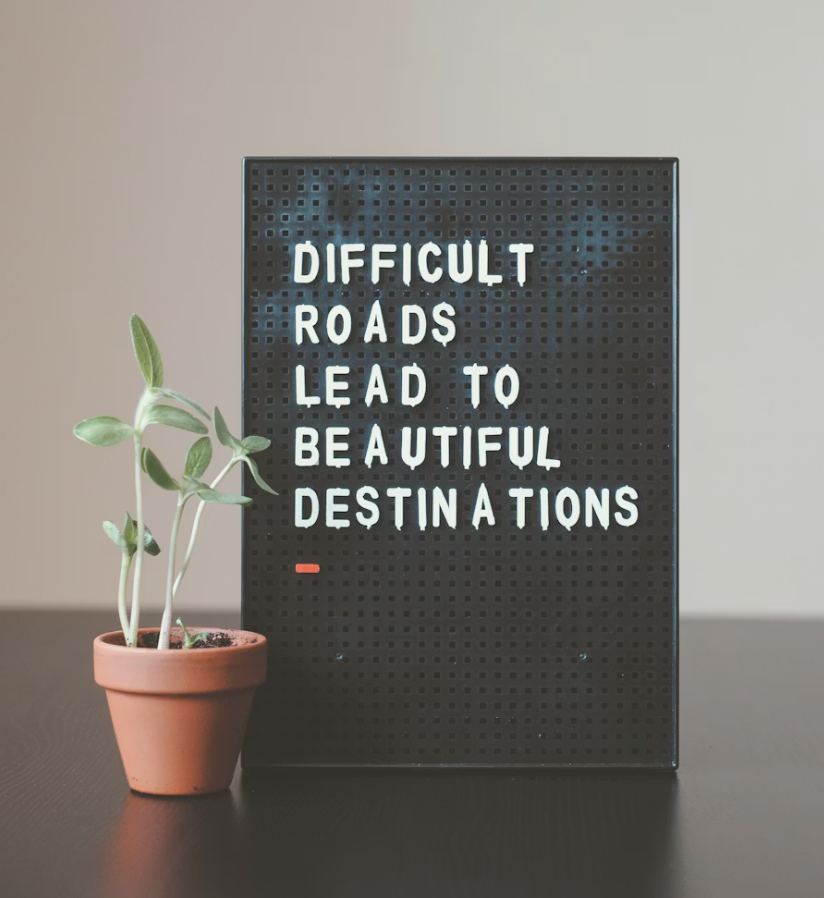
We’ve all been in a year-long dance with Artificial Intelligence, an attempt to hold both the dark and the light of this new technology at the same time. What is it? When is it okay to use it? If I use it, am I cheating? What should we teach students about it? Are there ethical uses of AI, if any? I hate it. I love it. It frightens me. How is it so wrong? How is it so right?
The longer we stay in this dance, the more complicated the steps seem. The music keeps changing. The choreography keeps accelerating. Navigating both our experiences with AI and our feelings about it is deeply uncomfortable.
There is a subtle irony in that discomfort. Technology, whether we’re talking about the wheel, the printing press, the zipper, television, air conditioning, the PC, or AI, is simply the human-made application of knowledge. It exists to make things easier, faster, more efficient, more comfortable.
And yet here is the irony on top of the irony: What I like least about AI is that it does exactly what it was designed to do. It removes the struggle. It reduces friction. It eliminates discomfort.
But isn’t that what we’ve wanted all along?
If I could wave a wand over this tedious task and make it go faster - and even a little better - it would save me time. And surely I would use that time for something noble. I would write the novel I’ve been dreaming about. I would plant that garden. I would spend more time with my family. I would volunteer.
But what actually happens in so many cases? We end up doom-scrolling. We drift. We feel vaguely productive and oddly unfulfilled, not quite knowing where or how to start those meaningful pursuits. Why? Because they are hard.
Technology is designed, by definition, to ensure comfort and ease. But everything I value most in my life—my work, my closest relationships, my outside interests—is, at times, fraught. There is mess. There is friction. There is tension and conflict. And it is in navigating those moments that I arrive at something more authentic, more connected, more meaningful.
Liz Rose, the youngest Canadian to climb the Seven Summits and the author of Written in the Snow, reflects on the extreme discomfort she endures while climbing:
“Suffering isn’t something I avoid. It’s something I love. I love what it brings, what’s on the other side of it. When we’re climbing Mt. Everest, we’re all suffering together, facing the same battle, chasing the same dream. Suffering makes the accomplishment that much more fulfilling.”
Imagine a world in which, instead of running from discomfort, we ran toward vulnerability and depth.
We can design for discomfort.
Since the emergence of ChatGPT, I have heard more references to Wall-E than I did the year it came out. I’ve imagined the future: floating in a hoverchair, undirected and purposeless, incapable of movement.
Earlier this month, I heard Jane McGonigal, futurist, game designer, and author, speak at the Heads’ Network conference. When asked about AI and its impact on school and work, she compared this moment to the industrial era. As manual labor declined and office work increased, we created gyms and organized athletics to keep our bodies healthy and strong. Schools added “PE.”
McGonigal suggested that schools of the future may need to create “playgrounds for the mind, analog spaces where students must rely on their own brains, unsupported by technology, to combat intellectual and neurological atrophy. When we go to the gym, we willingly submit ourselves to physical discomfort (some of us more enthusiastically than others). In general, the greater the discomfort, the greater the gains. Similarly, mental playgrounds - intellectual gyms - might be the spaces where we choose to experience productive cognitive and emotional strain.
As an educator and a parent, I know that discomfort is where skills are built - resilience, confidence, grit, discernment. For young people, experiencing productive levels of discomfort, academically, physically, socially, emotionally, is essential. How can you ever feel confident if you have never worked through tension? It’s like receiving a perpetual participation trophy for daily living: “Congratulations, you lived and breathed today.” Nobody really wants that.
McGonigal also warned about the destructive nature of “sycophantic AI”- tools that make you feel brilliant no matter how mediocre your thinking might be. If our AI chatbots consistently offer praise for subpar work, how will students learn to accept genuine constructive feedback? How will any of us? Will we choose honest and authentic over sycophantic? Teachers already resist giving anything lower than a B for fear of jeopardizing college prospects - or at least being accused of doing so. Now we compete with AI systems designed to simultaneously placate the user and offer a better version of their work with no visible effort.
We can design for honest evaluation and criticism.
And AI is not the only barrier to discomfort.
Since the beginning of time, humans have found ways to self-soothe, self-medicate, and avoid pain. Drugs and alcohol can serve as social lubricants, easing the anxiety of conversation. But they also block authentic connection. It is awkward to walk up to someone you don’t know and try to begin a conversation. It requires effort. It risks rejection. Sometimes it ends in embarrassment. And sometimes it leads to a flourishing friendship or romantic relationship. Both rejection and acceptance are teachers.
We can design for awkwardness.
Similarly, social media allows us to interact in controlled ways. We can curate. We can delete. We can disengage. We tell ourselves we are building or maintaining relationships on Facebook, Instagram, Snapchat. But friction and disagreement can end abruptly with an “unfriend.” Anyone who has been in a loving, long-term friendship or partnership understands the irritation, frustration, and conflict that are innate to human connection. That friction is not a flaw; it is part of intimacy. For young people still learning how to build relationships, it can be far easier to avoid conflict face-to-face by sending a text and choosing not to work through the discomfort.
Taken to extremes, we already see the consequences: porn addiction, online gambling, endless frictionless stimulation. It is all so easy. So immediate. So smooth.
We can design for friction.
Parent culture is not doing young people any favors either. “Hovering,” “snowplowing,” and other metaphors for clearing every obstacle may feel protective, but they limit agency. Advocating for a higher grade. Intervening in social conflict. Moving to college with them (Thank you Russell Shaw). These actions, however well-intentioned, infantilize young people and limit their opportunity to build competence.
Lenore Skenazy, the free-range parenting advocate, suggests parents might spend less time managing their children’s lives and more time tending their own friendships and relationships. Doing a teenager’s laundry, scheduling their doctor’s appointments, returning their library books - these may feel like kindness. But requiring young people to handle these mundane tasks builds small feelings of competence that compound into self-reliance. Much of life is tedious, repetitive, inconvenient.
We can design for inconvenience.
Even more importantly, leaders and educators must be willing to sit with our own discomfort - criticism, inconvenience, awkwardness, friction. It is not enough to expect it from students. I can think of countless ways professionals in schools resist opportunities for connection, conflict, and collaboration in the name of “boundary setting” or “self-care,” when sometimes it looks more like avoidance.
There is hope in intentional design. What is wonderfully empowering about human-centered design is that schools can choose to create experiences, intentionally, that help both students and adults practice navigating discomfort, criticism, inconvenience, awkwardness, and friction. Confidence and connection are built not despite these experiences, but because of them. As Jane McGonigal reminded us, we have the agency to design preferred futures - whether that in the face of Artificial Intelligence or our own resistance. She calls it “future power.”
With this future power, we can design for depth, vulnerability, and human connection.