
The Shape of A School Day: A Design Problem in Plain Sight
Estimated Reading Time: 6-8 Minutes
I have spent the last few years walking alongside schools as they grapple with questions about time. Time is the most precious resource in schools, yet it is often the least examined. When a school tells me they want to redesign their schedule, I know something deeper is usually going on. The schedule becomes the polite place to put blame when something in the experience feels misaligned. It is the visible surface of an invisible design problem.
The truth is that most schools in the United States are using time structures that have barely shifted in the last thirty years. Bells ring, students shuffle, teachers sprint from one mode to another, and the day fills up before anyone has a chance to breathe. Yet these same schools talk about deeper learning, experiential programs, interdisciplinary work, and meaningful relationships. They imagine something modern and human-centered but operate inside containers designed for another era.
The schedule is not the only problem. It is the shadow.
Inherited Structures and Invisible Design
School schedules feel fixed because we grew up inside them. We rarely question them. They shape the rhythms of our year, our weeks, our days. Much like the September to June calendar, the traditional daily schedule is an inherited design element. It was created for the needs of a different time and sustained without reflection. I wrote about the school calendar last spring. Check this out if you missed it.
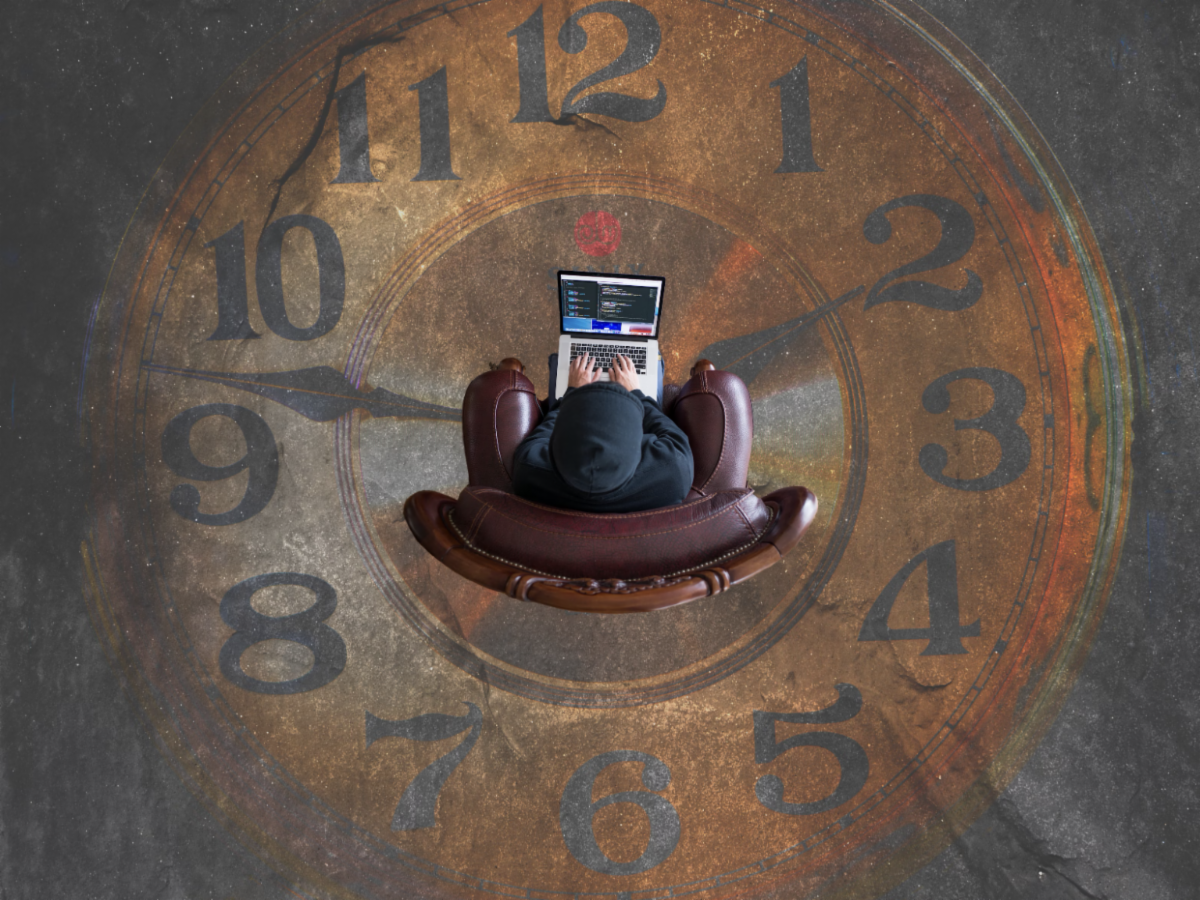
When I shadow students, I feel the weight of this inheritance. The constant transitions. The fragmented attention. The rush from one experience to the next. The strain it places on teachers who want to design meaningful learning but are forced into 45 or 55 minute containers that make depth difficult and coherence nearly impossible.
It is easy to say the schedule is the issue. It is far harder to admit that the real challenge lies in culture, clarity, and program design. If done properly, a good design process can open up opportunities for conversation and dialogue around teaching and learning. It can force schools to really begin to confront and question the challenges they are hoping to solve.
What Schools Think They Want vs. What They Actually Need
Across the redesign processes I have supported, a consistent pattern has emerged. Schools believe a new schedule will solve their problems. They imagine that time can fix what culture, clarity, and coherence have not.
Here are the patterns I see again and again.
Schools often think the grid needs to change, but the real issue is a lack of shared understanding about what learning should feel like.
Schools that want deeper learning discover that time alone cannot deliver it. They also need teaching practices that support it.
Teachers resist major schedule change because it threatens their sense of competence and identity.
Departments become territorial. Math fights for minutes. Science fights for lab time. World languages defend daily contact. The conversation shifts from student experience to adult preference.
Design teams create exciting prototypes, but when faced with implementation, the community retreats. It feels too different. Too foreign. Too risky.
Most teachers have never experienced a modern schedule. Their mental model of school is shaped by their own schooling. Asking them to imagine something new is unsettling.
Schools keep trying to pack ten pounds of experience into a five pound day. Advisory, clubs, assemblies, wellness, community time, interdisciplinary work. Everything gets squeezed into the margins.
These patterns are not failures of intention. They are the realities of human systems that were not designed for the complexity of modern education.
The Human Experience of Time in Schools
If we approach schedule redesign as designers, we begin with the human experience. We observe. We shadow. We map the journey of a student or teacher across a day. We look for moments of friction, confusion, stress, and fragmentation. We notice where the experience comes alive. Patterns emerge from this observation work. Students crave depth, not fragmentation. Teachers want time to plan, collaborate, and reflect. Communities want experiences that feel coherent and purposeful.
A recent article in The New York Times highlighted how the youth mental health crisis is not separate from the daily structures of school but intertwined with them. The way time is organized shapes stress, belonging, focus, and well-being. When students move through a day that feels rushed and disjointed, it becomes harder to feel grounded or supported.
Research aligns with what we see. Contemporary models that rethink time share a few common elements:
They reduce transitions so students can engage deeply in work rather than rushing from one class to the next.
They include consistent time for wellness, advisory, and recovery.
They dedicate long blocks for project-based and experiential learning.
They treat time as variable and learning as the constant.
They align rhythm, pace, and structure with human needs.
These are not trends. They are design choices that respond to how humans learn.
Why Major Change Is So Hard
Designing a new schedule is not simply a technical exercise. It is an emotional one. Changing time feels like changing identity. It asks educators to teach differently, plan differently, and imagine learning through a new lens. It shakes tradition. It disrupts comfort.
Schedule redesign often fails not because the design is flawed, but because the community was not prepared for design-level change. The work requires a shift in mindset. It demands curiosity, humility, and a willingness to see the system through fresh eyes. Curiosity is central to this process. Without curiosity, communities cling to certainty. They defend old habits, even when those habits produce results no one wants.
When I work with schools, I often ask leaders to adopt an artist’s mindset. Observe without judgment. Ask questions. Prototype ideas. Care less about being right and more about learning. A schedule is a design element that must be tested, refined, and improved. It is not a static solution. It is a living structure.
Toward a More Humane Use of Time
What might school feel like if we designed time for human needs rather than tradition?
Imagine days with fewer transitions and more opportunities for students to dive deeply into meaningful work.
Imagine weeks with natural rhythms of focus and recovery built in.
Imagine teachers who have time during the day to plan and collaborate rather than carrying work home each night.
Imagine learning experiences that are contemporary, connected, and sustainable.
Imagine a school where the day feels coherent instead of hurried.
These ideas are not fantasy. I have seen schools move in this direction. It begins with the courage to acknowledge that the old model no longer serves the humans inside it.
Questions for Schools Ready to Explore
As you begin to explore schedule redesign, consider these questions:
What human needs are we trying to meet by changing the schedule?
What is the experience we want students to have each day?
What learning is currently impossible because of the way we use time?
Where are we holding on to tradition without understanding why?
What small prototypes can we test before committing to a major redesign?
What might we learn if we simply shadowed a student for a day?
Are we designing for student experience or for delivery of content?
These questions invite schools to look inward before shifting the grid. They ground the work in empathy and intention. Time is not neutral. It is one of the most powerful design elements in school. It shapes how people feel, learn, connect, and grow. It can nourish energy or drain it. It can support deeper learning or fracture it into pieces.
When we begin to see time as a design choice rather than a fixed structure, possibilities open. We become curious. We ask better questions. We imagine a school day where the human experience takes priority over inherited habits. In the end, schedule redesign is not really about blocks or minutes. It is about designing a school experience that feels coherent, humane, joyful, and aligned with the world we live in now.
If we want school to feel different, it is time to redesign time. If your school is preparing for a schedule change, reach out to us. We would love to help.
